“If they don’t know how to sell it, they won’t make it.”
-Lynda Obst
By Andreas Kessaris for Curtains Up!
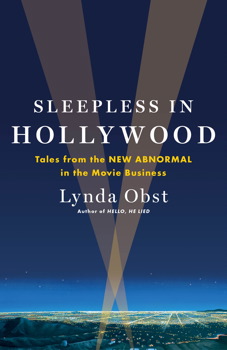
If you have ever wondered why Hollywood is currently churning out unwatchable remakes and unoriginal schlock based on obscure comic books or board games, I have a book for you. Sleepless in Hollywood: Tales From the New Abnormal in the Movies Business by veteran Hollywood producer, insider and survivor Lynda Obst (author of Hello, He Lied) will explain it all.
In her latest effort Obst, whose producer credits include Flashdance, Contact, Hopes Floats and of course, Sleepless in Seattle, uncovers how and why the movie business has changed since she began in the 1980’s (a magnificent era for the film industry) and transformed itself from what she calls the “Old Abnormal” to the “New Abnormal” we bitterly have to endure today.
With a few exceptions (three people referred to as “The Hipster,” “The Blocker,” and “Cookie”), Obst is not afraid to name names and point fingers as she guides us through the process of making and marketing films, taking the time to explain industry jargon along the way. Her personal stories (like the ones involving her good friend, the late Nora Ephron) are also effective and informative.
The author employs interesting and detailed examples, interviews with the most important people in the American film industry, as well as enlightening charts and graphs to analyze and break down what caused the movie industry to go from being the toast of the entertainment business to a sad joke in just a few years, (interestingly enough it is not a lack of creative people, but rather economic and technological reasons that may surprise you), and has led to a new golden age of television, once thought of in Hollywood as a sort of minor league when compared to the cinema, (a subject Obst knows well from her personal experience; she is now works in television, once considered a Siberia-like demotion in the industry, and is the producer of the successful TV series Hot in Cleveland). And to her credit she really cares about the subject matter; at times she seems as frustrated with the quality of motion pictures today as we are.
Although Sleepless in Hollywood annoyingly repeats the same words and phrases (like tentpoles, tadpoles, New Abnormal, etc…) way too often, it does not distract from the well-researched content. I adored how Obst used “scenes” instead of “chapters,” and added several other touches; giving the book a personal feel. It was sort of like going on a roller-coaster ride with a friend; scary (in its own fun way), but you’re sad when it’s over.
Overall Sleepless in Hollywood is more for people who are interested in the business side of the motion picture and television industry and not for anyone looking for juicy tinsel town gossip, and on that level I recommend it.
Other books one might enjoy on the same topic are How I Made a Hundred Movies in Hollywood and Never Lost a Dime by B-Movie legend Roger Corman with Jim Jerome and The Greatest Sci-Fi Movies Never Made by David Hughes.
